By Nathan Wheeler and Fire Networks Staff
Editor’s Note:
The Fire Networks has featured stories celebrating prescribed fire through music and highlighting those who bring mental health support to communities through forest therapy. Nathan Wheeler, composer and media artist based in New Orleans, shares how he created music from the aftermath of the Four Mile Canyon fire as a way to process his grief.
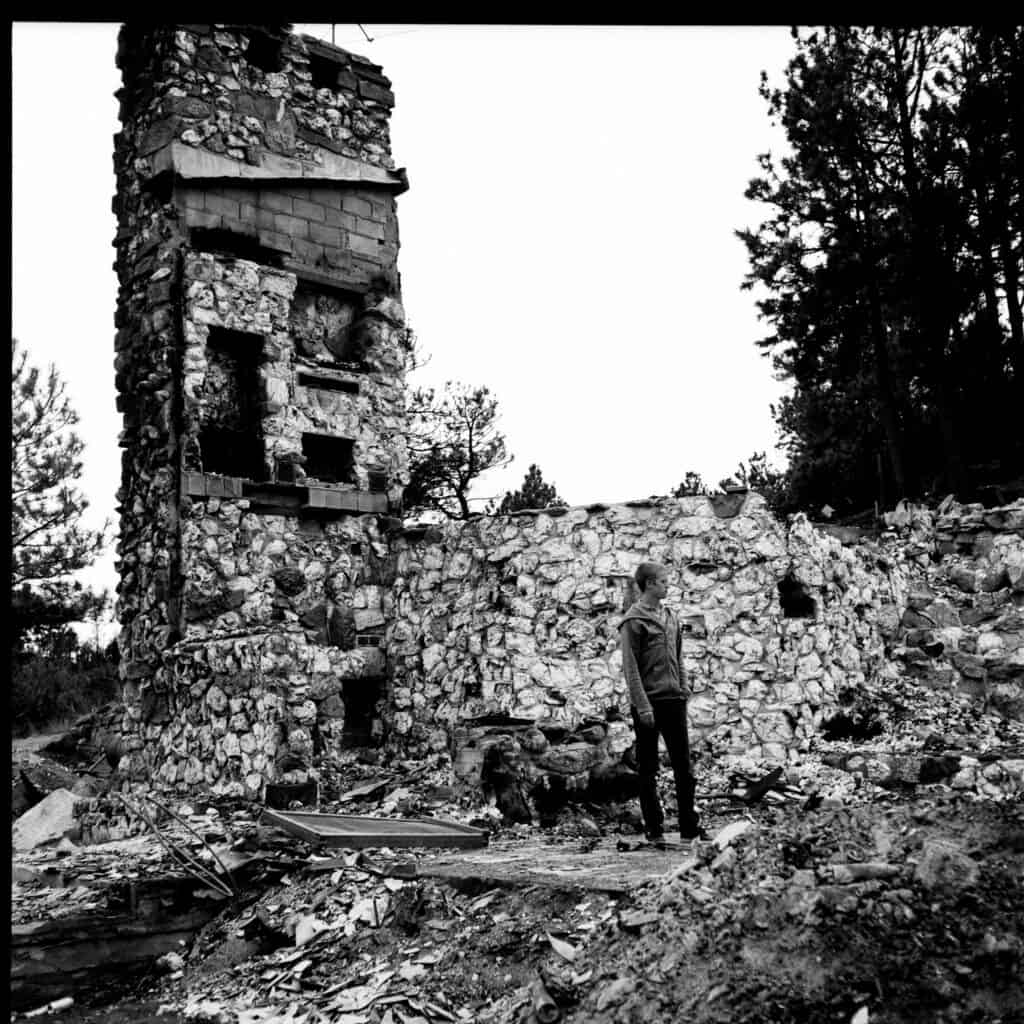
On September 6, 2010, high winds reignited a thought-to-be-extinguished controlled burn in the foothills west of Boulder, Colorado. (An excellent assessment of the aftermath of this fire can be found on the Four Mile Canyon Fire Dept. site, and another Fire Adapted Communities blog post.) My family home, built by my grandfather, was a couple of ridges north of the initial blaze, in the former mining town of Sunshine. High winds and drought conditions caused the fire to spread extremely fast. Before any of us knew what was happening, my mother received a phone call that she and my grandfather had one hour to gather up all they could and evacuate. They were the only people at the house (I was housesitting, my dad was at work, and my brother was away at college). They grabbed a couple of large suitcases, all the photos and hard drives, and all of our pets, and drove down the canyon into town. We felt certain that the fire was far enough away, and our property sufficiently mitigated, to prevent anything serious from happening.
Over the next three days, we got conflicting reports from neighbors, some of whom were volunteer fire fighters, that our house was either standing or wasn’t. We’d heard reports of nearby houses being lost, and hoped that ours was fine, but we found the ambiguity heart-wrenching. My parents and grandfather pitched a cabin tent in my aunt’s backyard, and we spent most of our time trying to find ways to distract ourselves from worrying.
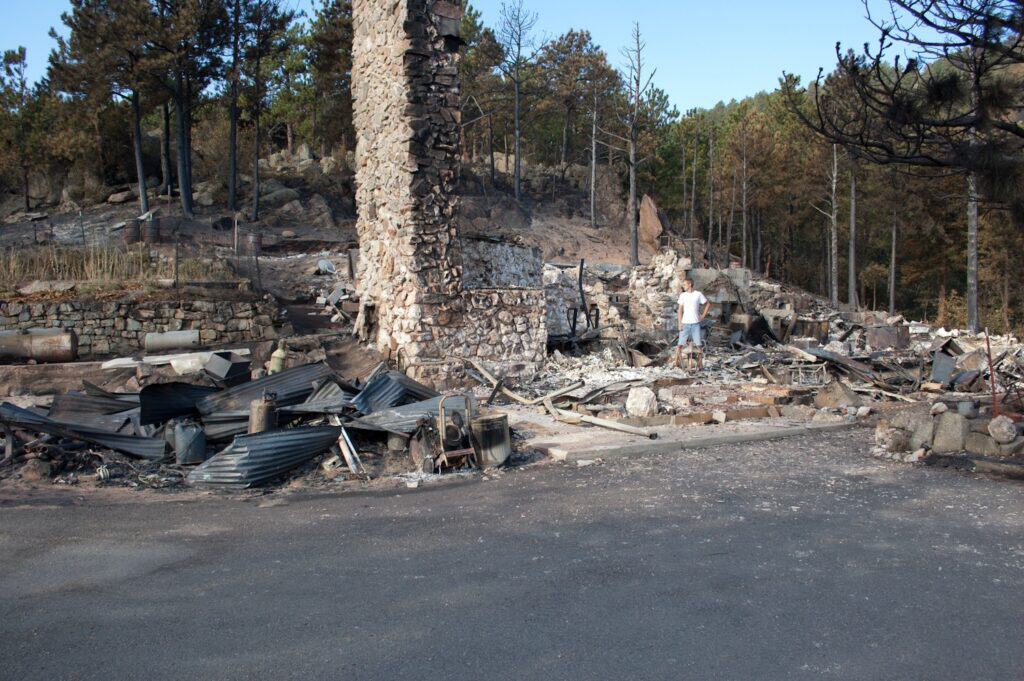
I was in my final semester of my undergraduate degree in music composition, attending classes and preparing for my final concert presentation. On September 10th, we learned that our house had been a total loss. As soon as I was allowed to drive into the burn zone a few days later, I asked my roommate Jeff to join me and bring his camera. My final performance was scheduled for the following January in the university’s Black Box Theater. I had a strong sense that the performance would serve as an opportunity to process and engage with my experience of change, loss, and total lack of control. I connected to the fire itself, and its presence in my life, in a profound way — the ever-present smoke I smelled could very well have been my house burning. I possessed a complicated and simultaneous reverence and disdain for natural forces that could so easily change my whole world.
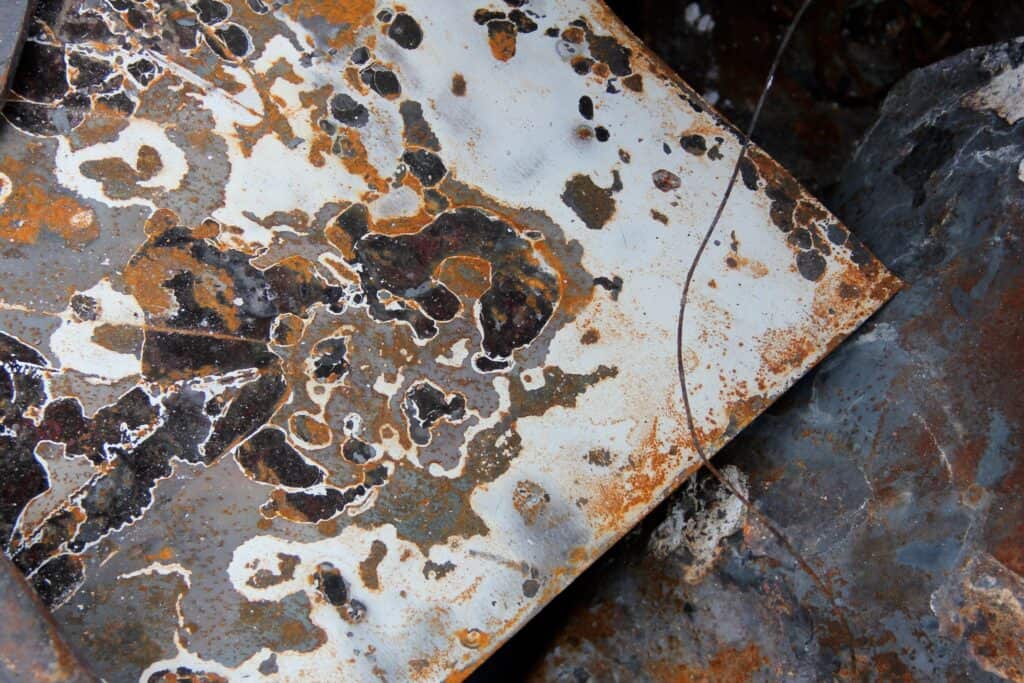
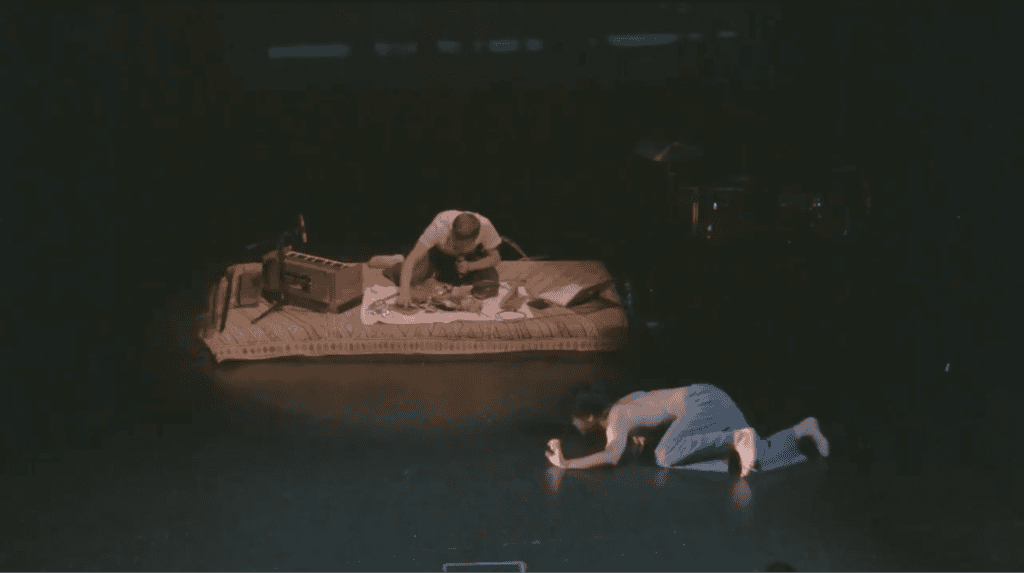
In the following days as we cleaned up the property, I invited a few professors and collaborators to see the property. We wandered the burn area, taking photos and assessing the damage, talking about how it made us feel. It felt very powerful to have friends and mentors share in my wonder and grief. On one visit while curiously digging through the gathered detritus, we found that blobs of melted metal could ring like chimes. I started to formulate a composition that would embrace all the emotions I was feeling — fear, rage, terror, shock, awe, sadness, nostalgia, wonder. I gathered objects that had been transformed by the extreme heat but remained recognizable — a warped and disembodied reciprocating saw, a rusted butcher knife without a handle, a mutated cooking pot. I used contact microphones (which pick up direct vibrations as opposed to the movement of air) on these objects and processed their sounds through custom software, embracing their harshness as a symbol of the violence I had experienced, while my friend and collaborator Luke Iwabuchi performed a dance embodying both the fire and feelings of helplessness and anguish. I wrote a song about balance, and the attempt to contextualize the unfathomable, which I sang while playing the harmonium. I wrote another song featuring heavily distorted guitar, accompanied by drummer Curtis Broome, making space for my anger and rage. I invited two mentors and close friends to improvise with the suspended metal blobs, while I danced with another collaborator, celebrating the act of searching, discovering, and being in awe of the sheer transformative power of fire. And I wrote an ambient composition to try to soothe myself and accept the difficult truth of change.
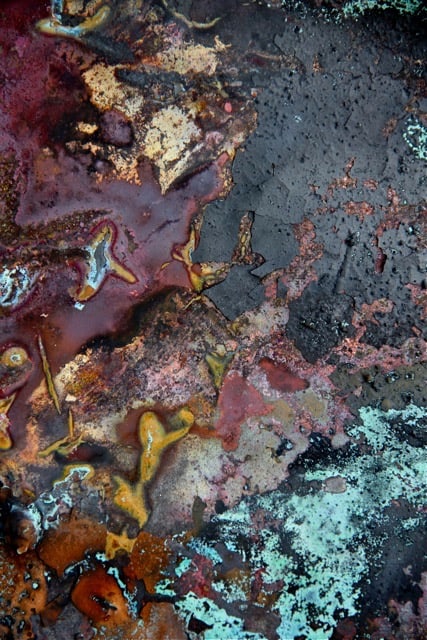
Even though I was successfully making space for my grieving process, I worried that I was taking advantage of the tragedy, exploiting it for my own selfish artistic gain. My brain invented all kinds of reasons to worry, especially the fear of negative online comments. I felt compelled to ask for reassurance from my family and former neighbors that it was ok for me to present my work, and everyone I talked to encouraged me to pursue it.
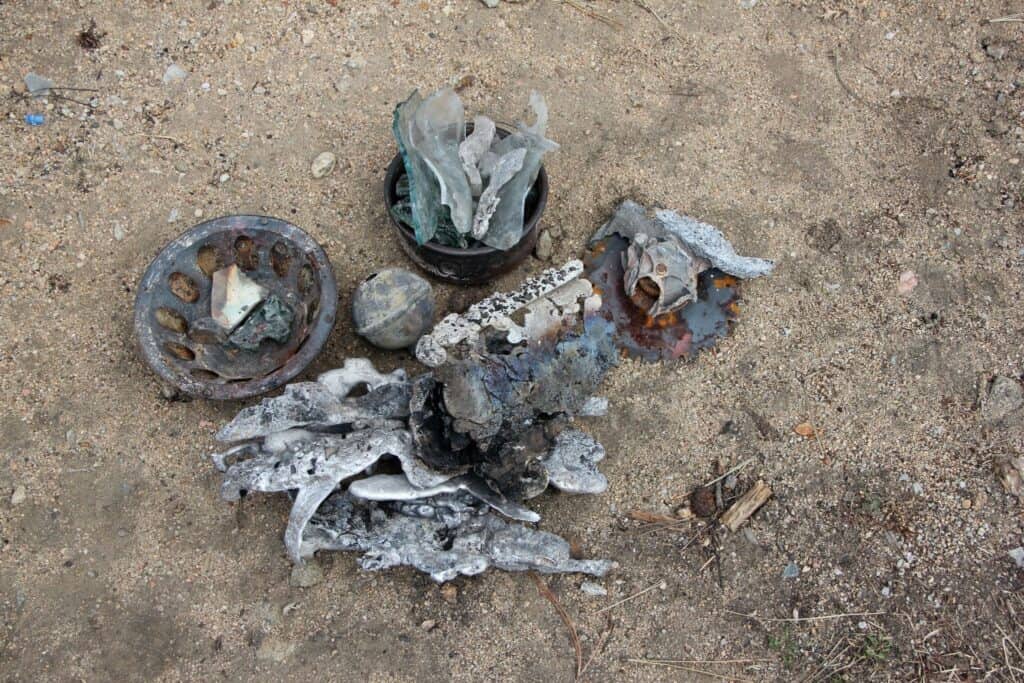
I was featured in the local newspaper leading up to the performance. Community members attended two sold-out nights; family, friends, former teachers, and others I didn’t know personally but were affected by the fire. Talking to the audience afterward, I felt the impact my work had on them — tears, smiles, and some sense of relief. Many people shared that the piece gave them a space to process, feel, and come to terms with the notion that even after experiencing such dramatic devastation the world keeps turning. Feeling all of that together as a community, and feeling seen and supported in all of my emotions, was immensely healing and positive for me.
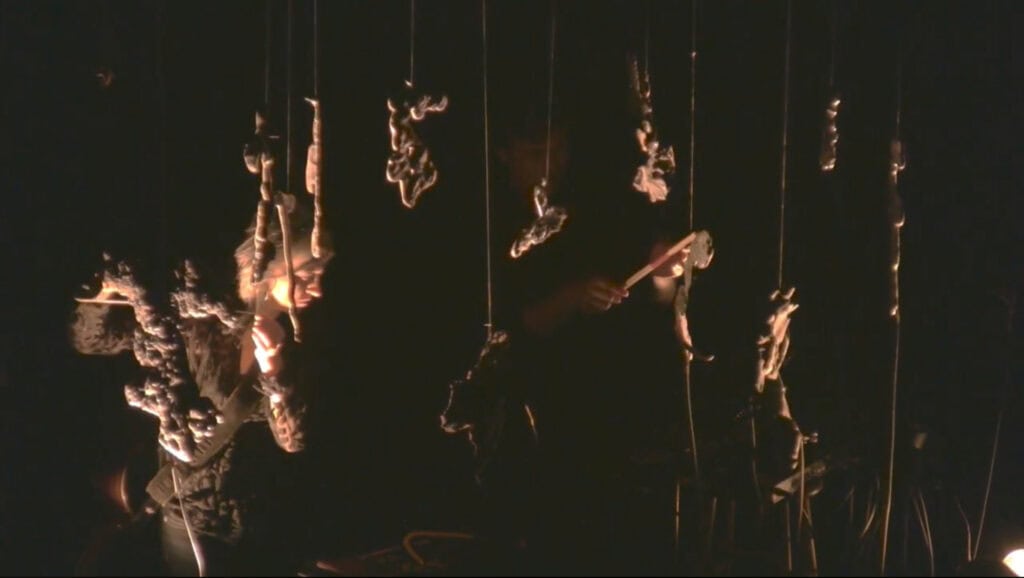
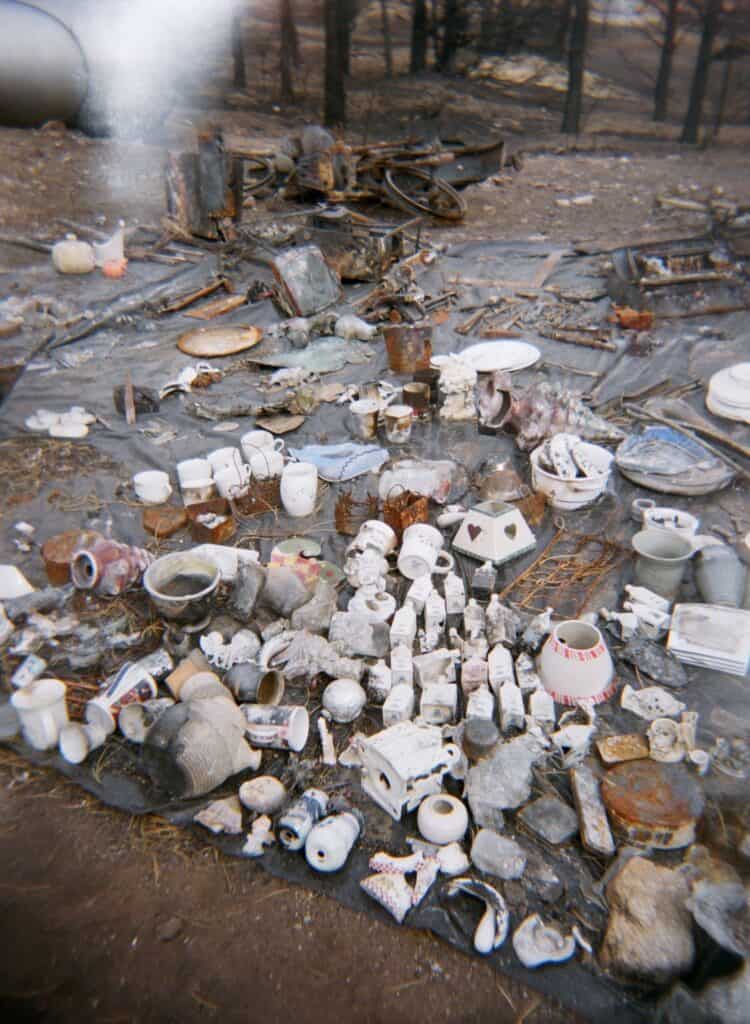
Shortly afterward I moved to Brooklyn to work in experimental media and sound, and my life has been a string of transient adventures since. I still feel the loss of my home, and have a sense of detachment from which I may never recover (though of course I hope to). Every time I try to settle down, I have worries about the potential for the next disaster. Though the composition and performance process helped me to contextualize and share my experiences, it took many years for me to be able to write about any of this, and to present it in a vulnerable way that didn’t attempt to conceal my emotions. I share this with the hope that others affected by similar experiences can feel empowered to find a venue for expression and connection with themselves, others, and the events that shape our lives.