By Lara Thomas
Lara Thomas is the Director of Training and Network for Fire Adapted Colorado. In this piece, she shares her experience along with some resources for wildland firefighters and families.
In Colorado, I felt the seasons begin to shift this week. Just that hint of crispness in the morning air, that hint of yellow on the edges of the aspen trees. In theory, that environmental shift signaled permission that I could slow down. That I could sit down and put some thoughts on the paper that have been stewing in my heart and mind for months, but I haven’t had the temporal or mental space to organize. Today, in honor of the seasonal energy, I am courageously putting my mounting to-do list aside. I am allowing myself this moment to take an emotional breath, and to try to connect with our wildfire response and preparedness community.
For different regions, this fire season kicked off at different times and different intensities. For my region, I remember trying to focus on Zoom calls while I watched the Aspen Acres plume out my office window and was distracted by the ping of Watch Duty notifications every few minutes. Somebody I loved was out there as a wildland responder, and that fire was fast, unpredictable, and swirling with the toxic smoke of fully consumed structures.
Life doesn’t stop for families and loved ones when there’s a bad fire season. I kept the news on as I unpacked our new apartment alone. Me and my significant other had plans for the 4th of July, but in his absence I spent the day doing minor maintenance alone on my car including trying to fix a windshield crack with a store bought kit. You know that crack only got longer and longer until in a fit of tears I threw that kit in the trash and cursed my partner for not being around to do any of the “man things.”
That night I went to a 4th of July barbecue in our mutual friend’s backyard. A few people asked about him, and I pretended I had answers. Then, when I was just beginning to feel neutral, I watched as the residents of Colorado Springs began their own fireworks show. All the public fire shows in the city had been canceled, and there were clear and strong restrictions and messaging. No fireworks this year. None. Already several responders had died in Colorado. Resources were stretched between simultaneous major and new incidents. It was the perfect storm for a catastrophic wildfire, and we were asked to show unity and respect for the fire service by doing something else with our evenings. It was the perfect moment for people to show that they cared.
I sat in that backyard on our nation’s 250th birthday. I breathed the smoke from a colossal wildfire in the next county over and watched professional grade fireworks crack overhead from adjacent neighbors. Not one or two. Not sparklers or bottle rockets. Big serious explosions from many different directions. I put my phone on silent, and went and laid by myself in a hammock away from the group. This was my third year being a partner of a wildland responder, but I am always intrigued by the different intricacies of how one can experience deep and real loneliness. I simultaneously wished to be stronger, while also respecting that I’ve demonstrated my own strength to myself a thousand times before. This memory was just a few weeks into what turned out to be a long and complex summer for both responders and their significant others.
I remember trying to talk about how all this felt with people in my life. Some people just couldn’t relate to the nuance of being a partner of someone with this job. Some people just can’t emotionally go there, either due to skill or them trying to keep their own hand steady. I feel fortunate that I am already engaged in weekly therapy and that helped during this time. Music helped (thank you Anna Graves, notably Ashes & Smoke). Medication helped. And strangely I just started painting and creating a bunch of art to give myself an outlet. Then one day, the wife of the captain of my partner’s module set up a group chat that was meant to create a supportive space and foster connection between the spouses/significant others. I went to some in-person meet ups and learned the stories of women that were planning a wedding alone, going through a pregnancy, managing the responsibilities that followed the death of their husband’s parent. I met another woman who was both pregnant but also had moved into their new home alone. I met people who just missed their people, and were annoyed that they weren’t going to get a single camping trip with their significant other this year. I was able to talk freely and be understood. I was finally given a social space to be frustrated, scared, and sad. I had never had that fully before when it came to this topic. These were feelings I assumed you just had to stuff way down and try to distract myself from, because I really didn’t have a community that could or would strive to understand.
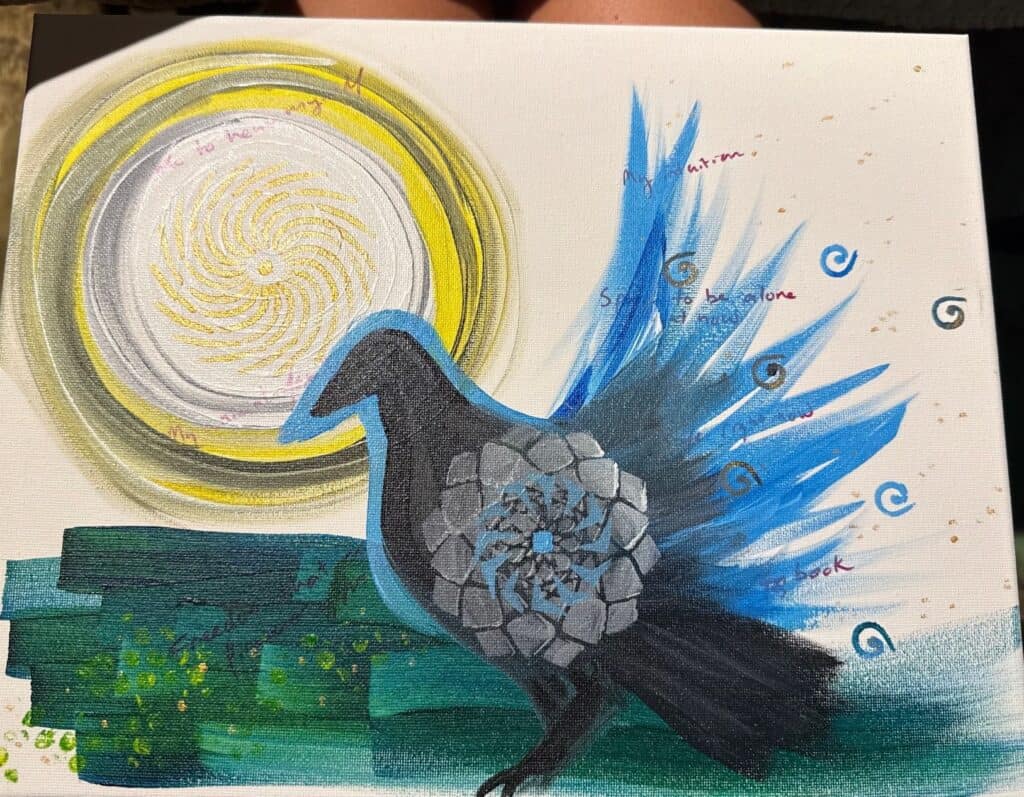

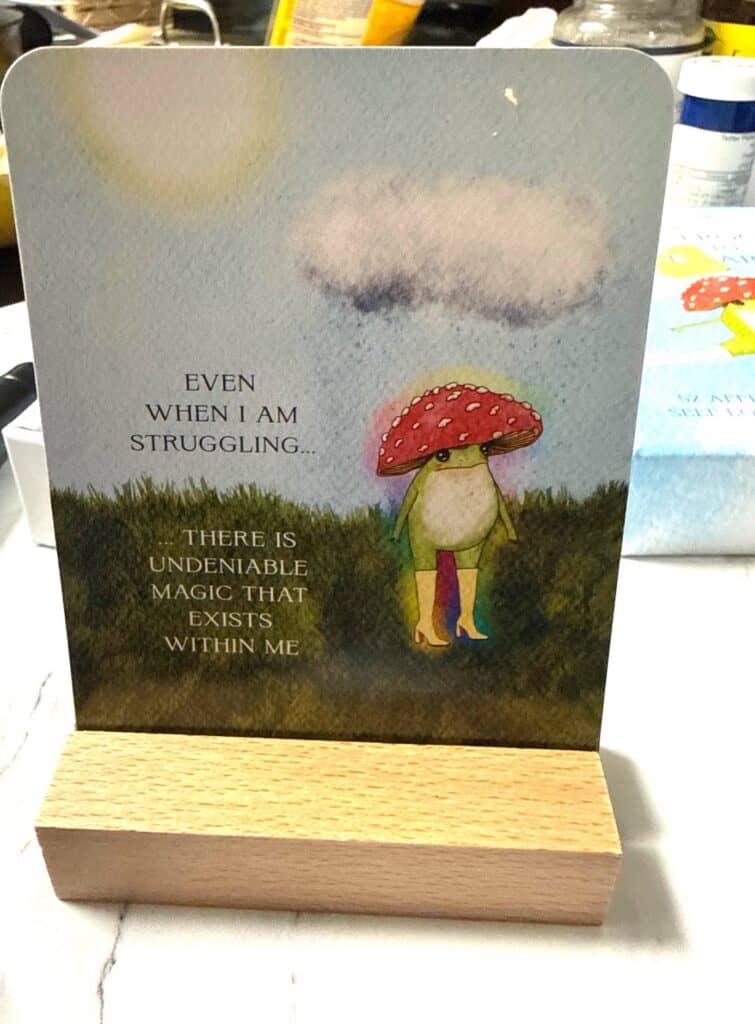
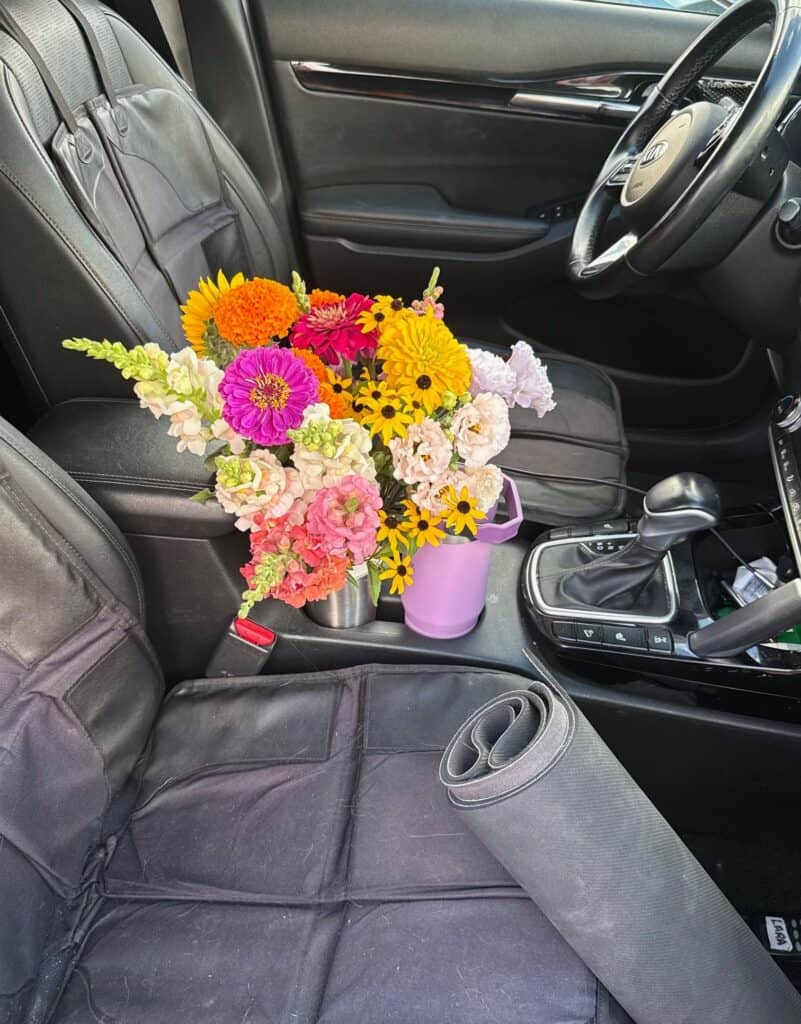
Art, Affirmation Cards, and You-pick flower farms dominated my Summer 2026
I share this to normalize that we need to build more of these types of spaces. It takes bravery to initiate them, and courage to say what you feel – in this case I was opening up to complete strangers and just choosing to trust humans and the world. There is a uniqueness to supporting a partner that chooses this type of job, and it’s a lot more than “holding down the fort” or feeling a bit lonely.
Our summer intern at FACO had a spouse who was in the military, and she shared with me that there are a lot of resources, support, and conversations for the significant others of servicemembers. In my digging I came across a few good resources that exist that neither myself or my partner were aware of. I encourage further conversations and actions related to this topic, as a better supported homelife can ultimately reduce on-the-job burn-out and increase workforce retention – a vital component to preparing for Colorado’s wildfire future.
Thank you to Aaron Johnson with DPFC for compiling & reviewing the following resources to share alongside this article.
- NWCG – A Preparedness Guide for Wildland Firefighters and Their Families
This pre-season family readiness guide covers communication, expectations during assignments, family planning, stress, emergencies, and other things families may want to discuss before fire season
https://fs-prod-nwcg.s3.us-gov-west-1.amazonaws.com/s3fs-public/publication/pms600.pdf
- US Forest Service – Reset: Firefighter and Family Members’ Reintegration Guide
This focuses more on what happens when someone comes home from an assignment, including exhaustion, changing household roles, reconnecting, and the fact that both the firefighter and the person at home have been carrying very different loads while they were apart.
https://www.govinfo.gov/content/pkg/GOVPUB-A13-PURL-gpo171190/pdf/GOVPUB-A13-PURL-gpo171190.pdf
- Grassroots Wildland Firefighters – Family & Friend Preparedness Resources: They have pulled together several resources specifically for partners, families, and friends of wildland firefighters.
https://www.grassrootswildlandfirefighters.com/family-friend-preparedness-guide
- International Association of Wildland Fire – Relational Wellness During Wildfire Season: This is a shorter resource focused on communication, expectations, decompression, flexibility, and maintaining relationships during fire season.
https://www.iawfonline.org/article/relational-wellness-nurturing-relationships-during-wildfire-season/
- ResponderStrong: Resources for responders and their families, including material around relationships, stress, and family wellness.
- Military OneSource has deployment checklists organized around preparing before deployment, managing things while someone is away, and reintegration afterward.
https://www.militaryonesource.mil/resources/tools/military-deployment-checklists