Piecing Together the Puzzle: The Pine Hills and Pine Thrills Projects
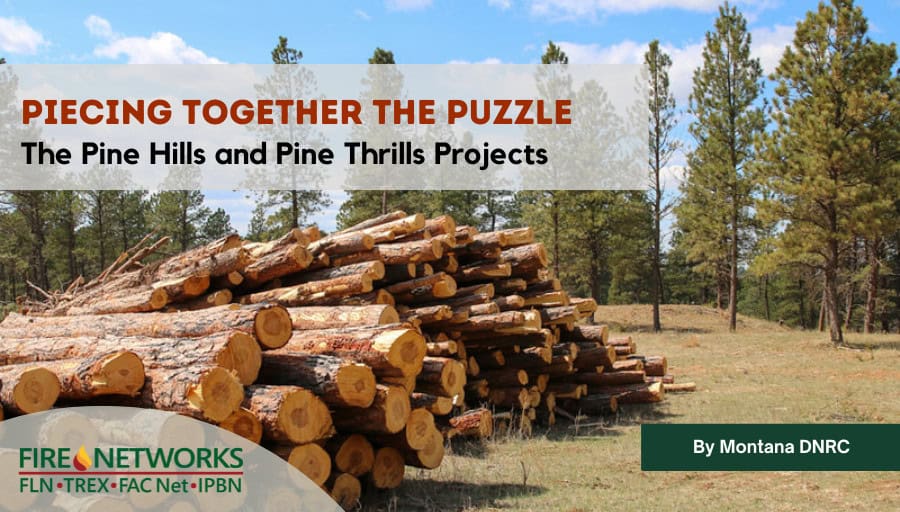
Editor’s note: The Montana Department of Natural Resources and Conservation (DNRC) is committed to ensuring Montana’s land and water resources provide benefits for present and future generations. This story was originally published by the DNRC in October 2025 as part of the agency’s series of Montana Forest Action Plan project highlights. To learn more about the Forest Action…
Scaling Work and Workers Together in the Wildfire Resilience Space
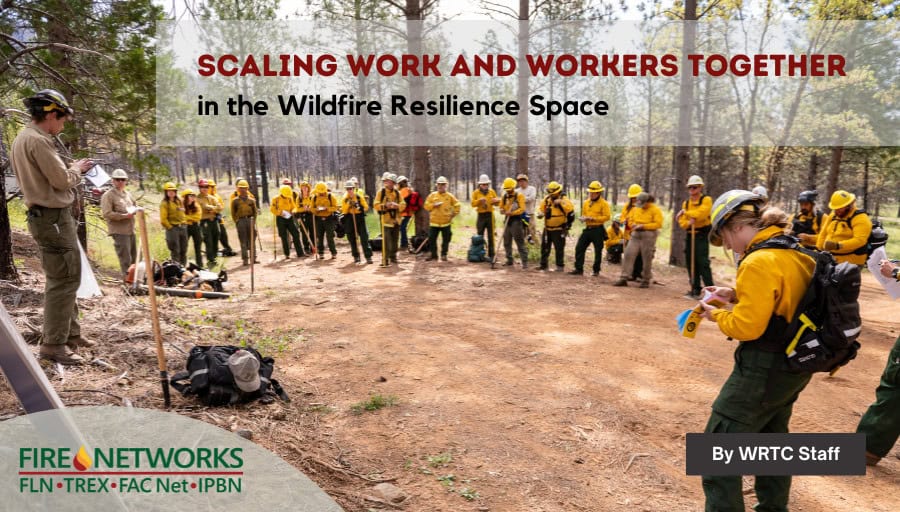
Editor’s note: This blog was originally published on the Watershed Research and Training Center’s site, FAC Net’s umbrella organization. The Watershed Research and Training Center (WRTC) recently partnered with the Sierra Business Council to develop a report on a series of recommendations to create more durable and fulfilling career pathways in fire management. In this…
Creating Defensible Space: The Pattee Canyon Wildfire Mitigation Project
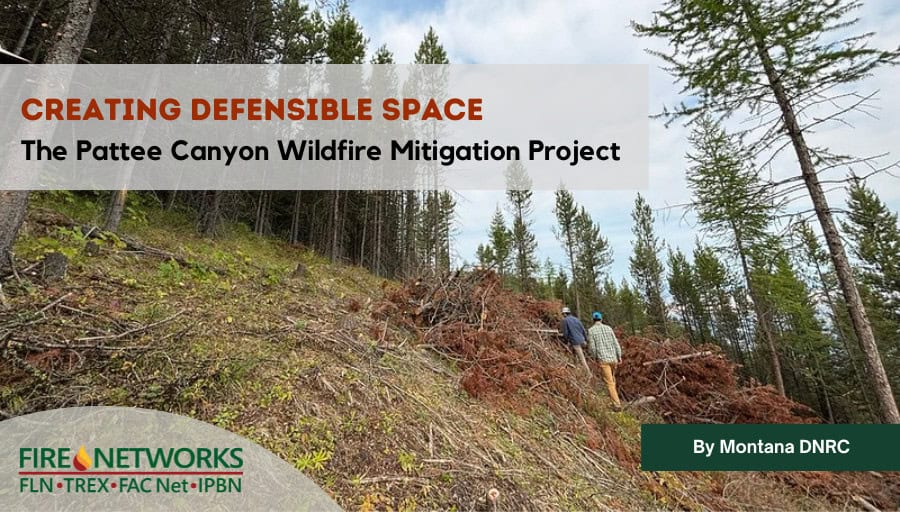
Editor’s note: The Montana Department of Natural Resources and Conservation (DNRC) is committed to ensuring Montana’s land and water resources provide benefits for present and future generations. This story was originally published by the DNRC in October 2025 as part of the agency’s series of Montana Forest Action Plan project highlights. To learn more about…
Building Connections to Transform Fire Culture: Insights from the Pacific Northwest PBA Learning Exchange

Editor’s note: Amelia Wells is a communications and program specialist for the Washington Resource Conservation and Development Council (WRCD). A few years ago, several motivated community members and prescribed fire practitioners from Washington and Oregon attended a Learning Exchange in California to learn about community-led cooperative burning. What resulted was the spark of a grassroots…
What We’re Reading This Week

The discourse on wildfire resilience is textured and varied – with new research publications, articles, StoryMaps, white papers, and more introduced each week. Today, we’re sharing a sample of some publications we’re diving into to better understand the current conversation. What other wildfire resilience resources are you reading this week? Share with us in the…
Pueblos of Northern New Mexico
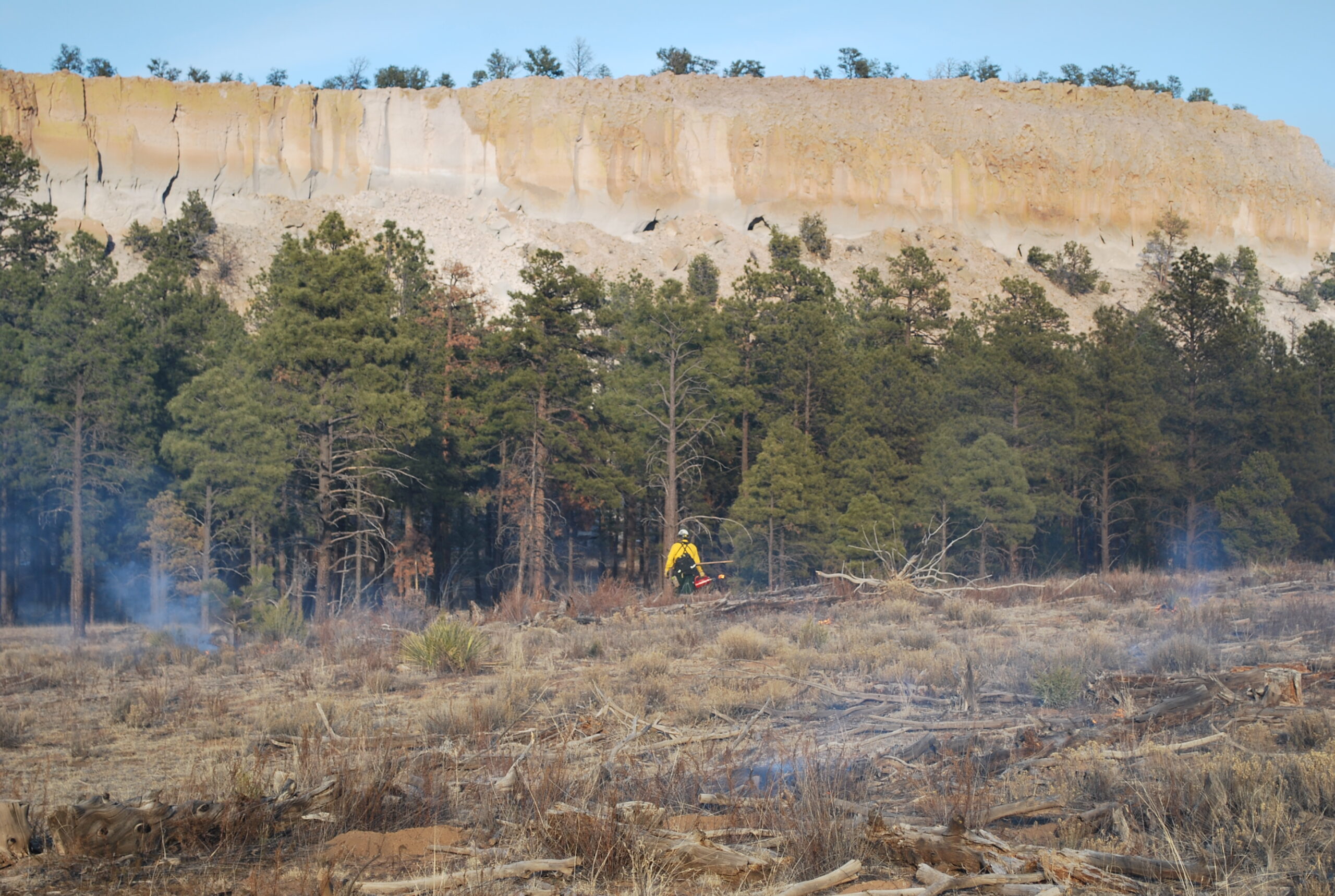
Peublos of Northern New Mexico Photo Credit: Jeff Kirwan New Mexico’s landscape was shaped by fire for millennia—grasslands, piñon-juniper woodlands, ponderosa pine forests, and high desert ecosystems that have co-evolved with humans with frequent, low-intensity burns. But decades of fire suppression and reduction of beneficial fire, drought, and climate change have driven these lands out…
Four Resources on Cultural Burning in Northern California and Oregon
Indigenous Peoples Day, which was observed this past Monday, is an opportunity to reflect on and celebrate Indigenous life and culture in its many forms. At the Fire Networks, we work to uplift Indigenous stories and follow Indigenous leadership in the movement for living better with fire. For this week’s blog, we’re highlighting a few…
Updated Resources for Community Wildfire Protection Plans
With round three of the Community Wildfire Defense Grant awardees just announced and looking ahead to round four, FAC Net staff have been thinking a lot about Community Wildfire Protection Plans (CWPPs) — the different guidance and templates available, the variety of approaches to community engagement and stakeholder feedback, and examples of plans that touch…
Helene, Fire, and the Systems that (Don’t Need to) Fail Us
Editor’s note: Laurel Kays is the Assistant Director of the Fire Learning Network (FLN) and lives in central North Carolina. In this blog, Laurel reflects upon the lasting impacts of Hurricane Helene, recovery systems, and the hope she finds in the stewardship and connection of FLN members. This weekend will mark one year since Hurricane…
Ten Years of Fire Adaptation Work in Lake County: An Interview with Magdalena Valderrama
Editor’s note: In this blog, we sit down with longtime FAC Net member Magdalena Valderrama to discuss how her community and her fire adaptation work have changed in the decade since the 2015 Valley Fire in Lake County, California. Magdalena lost her home in the Valley Fire and subsequently co-founded the nonprofit Seigler Springs Community…